strong base anion exchanger
The Growing Importance of Strong Base Anion Exchangers in Water Treatment When it comes to safeguarding global water quality, one unsung hero often lurking behind the scenes is the strong base anion exchanger . These specialized materials might not be household names, but their impact in modern industry, environmental management, and even humanitarian operations is enormous — and growing. In a nutshell, they're the backbone in processes that remove harmful anions from water, ensuring safer drinking water, cleaner industrial effluent, and more sustainable water reuse practices. Given that over 2 billion people worldwide lack safely managed drinking water services (UN-Water, 2023), understanding how these ion exchangers operate isn’t just technical jargon — it’s a vital piece of the global puzzle. Why the Strong Base Anion Exchanger Matters on a Global Scale The fact that clean water scarcity ranks as one of the United Nations’ top Sustainable Development Goals shouldn’t surprise anyone, but it certainly emphasizes why technologies like the strong base anion exchanger command serious attention. According to WHO reports, water-related diseases still cause millions of deaths annually. Industrial growth, urbanization, and climate change put relentless pressure on water supplies — so technologies that help remove nitrates, sulfates, and other anionic contaminants are crucial. Yet, the challenge is not just about removal but doing so cost-effectively, sustainably, and on scale. Industries from power plants in India to bottled water producers in Europe rely on anion exchange resins to meet stringent ISO standards. It’s an intersection where chemistry meets global health and environmental stewardship. Breaking It Down: What Is a Strong Base Anion Exchanger? Simply put, a strong base anion exchanger is a resin material designed to selectively bind and remove negatively charged ions—otherwise known as anions—from water or chemical streams. These resins usually have quaternary ammonium functional groups that remain positively charged across all pH levels, which makes them highly effective for capturing unwanted substances like chloride, nitrate, sulfate, and even organic acids. In practical terms, industries and municipalities rely on these resins to purify drinking water, treat wastewater, and process industrial fluids. Interestingly, these ion exchangers aren’t just limited to water — pharmaceutical manufacturers use them to separate biomolecules; food processing plants use them for deacidification. It’s an oddly versatile yet niche technology. Core Features That Make Strong Base Anion Exchangers Effective 1. Durability and Chemical Stability Most strong base anion exchangers are designed to withstand harsh chemical environments, including extreme pH and high temperatures (up to around 120°C). This durability ensures longevity, a key factor in keeping operation costs down since frequent resin replacement can be a major headache. 2. High Selectivity The quaternary ammonium groups offer broad-spectrum affinity but also allow customization for specific contaminants, such as enhanced nitrate or organic acid removal. This selectivity improves the efficiency of purification, making water treatment safer and more predictable. 3. Regenerability One neat practical aspect is regeneration — when these resins become saturated, they can be restored with a brine solution and used again, reducing waste and cost. This cyclical use ties directly to sustainability goals and waste reduction strategies. 4. Capacity and Scalability From small drinking water filters to massive industrial columns treating thousands of cubic meters per day, these resins scale up well. The right resin capacity combined with appropriately engineered systems can make all the difference in operational success. Mini Takeaway: In real-world scenarios, durability and selectivity often define the bottom line. So, it’s crucial to pick a resin that matches your water chemistry and operational needs. Practical Applications Around the World Strong base anion exchangers are far from niche; they appear in diverse settings globally: Municipal Water Treatment: Cities like Cape Town and Singapore use these resins to meet their rising standards for potable water and reduce harmful nitrate contamination from agriculture runoff. Industrial Effluent Management: Chemical plants in Germany employ these exchangers to clean wastewater streams before discharge, ensuring compliance with EU environmental directives. Humanitarian Aid: In disaster-hit zones where water infrastructure is compromised, portable water treatment units containing strong base anion exchangers help provide safe drinking water quickly. Food & Beverage Processing: Breweries and wineries use resins to control acidity and remove trace ions that could affect flavor profiles. Oddly enough, even in remote industrial sites, such as mining operations scattered across South America, these resins play a crucial role in preventing toxic anions from leaching into ecosystems. Advantages and Long-Term Value of Strong Base Anion Exchangers Cost-wise, strong base anion exchangers provide a compelling balance between upfront investment and lifetime expenditures. Their regenerability means fewer replacements and less chemical waste. From a sustainability viewpoint, the ability to remove nitrates and harmful organic acids helps reduce ecological footprint and protect vulnerable communities dependent on groundwater. Socially, clean water technologies uphold dignity and health — it’s not just about numbers, but real lives. And let's not forget reliability — many engineers swear by these resins’ predictable performance under variable water chemistries, reducing downtime and operational headaches. Comparing Popular Strong Base Anion Exchangers Specification LijiStrong 900 IonClear Pro ResinX Ultra Functional Groups Quaternary Ammonium Tertiary Amine Quaternary Ammonium Max Operating Temp. 120 °C 90 °C 110 °C Particle Size (mm) 0.4 – 1.2 0.6 – 1.0 0.5 – 1.3 Regeneration Efficiency > 98% > 92% > 95% Typical Use Water & Wastewater Industrial Fluids Food Processing Future Trends in Strong Base Anion Exchange Technology Looking forward, the industry is seeing innovation with hybrid resins that blend strong and weak base functionalities to optimize for specific contaminants. Digital monitoring tools now allow real-time feedback on resin performance, improving maintenance and reducing downtime. Sustainability is increasingly front and center: bio-based resins and greener regeneration salts are being tested. Automation and AI offer a glimpse of smart plants that can tweak ion exchange cycles to save costs and energy. It feels like we’re on the cusp of making water treatment smarter, not just stronger. Common Challenges and How Experts Recommend Overcoming Them Despite their strengths, strong base anion exchangers face some hurdles. Fouling and organic fouling, especially in waters with high NOM (natural organic matter), can reduce efficiency. Operators often struggle to balance regeneration chemistry to avoid resin degradation. Experts suggest combining robust pretreatment steps like ultrafiltration to prolong resin life and using selective acid washes periodically. Also, proper system design and regular monitoring — ideally with digital tools — go a long way to preventing surprises. Vendor Comparison at a Glance Vendor Price per kg Lead Time Customer Support Global Reach LijiResin Co. $18.50 2 weeks 24/7 Technical Support Asia, Europe, Americas IonClear Solutions $20.00 3 weeks Business Hours Only Europe, North America ResinX Ltd. $17.75 1 week Limited Support Asia-Pacific Frequently Asked Questions About Strong Base Anion Exchangers Q1: How often should strong base anion exchangers be regenerated? Regeneration frequency varies depending on water quality and flow rates, but generally, resins should be regenerated when they reach about 70–80% of their capacity. This could range from every few days to several weeks. Proper monitoring can optimize cycle times and prolong resin life. Q2: Can strong base anion exchangers remove nitrate from drinking water? Yes, removing nitrate is one of their most common uses, especially in agricultural regions with high fertilizer runoff. These resins effectively bind nitrate ions, reducing concentrations to safe levels set by WHO guidelines. Q3: Are strong base anion exchangers safe for food and beverage applications? Absolutely. Many food and beverage manufacturers use FDA-compliant strong base anion exchange resins specifically designed to meet safety standards for processing consumables, including removing unwanted organic acids or color bodies. Q4: What is the typical lifespan of a strong base anion exchanger? With proper maintenance and regeneration, these resins can last anywhere from 3 to 7 years. Factors like feed water quality and chemical treatment protocols affect longevity. Q5: How do I choose between strong and weak base anion exchangers? Strong base resins work across the entire pH range and remove a wide spectrum of anions, while weak base exchangers perform best in neutral to acidic conditions and often target specific contaminants. The choice depends on your treatment goals and water chemistry. Wrapping It Up — Strong Base Anion Exchangers Are More Than Chemistry In the grand scheme, strong base anion exchangers are quietly transforming how communities and industries manage water quality worldwide. From shielding human health to protecting fragile ecosystems, their role is both technical and profoundly human. As innovations spark greener and smarter solutions, their value only magnifies. If your operations depend on reliable, scalable anion removal, exploring products like the ones on LijiResin’s platform might just be the next smart step. Quick reflection: Clean water technologies are evolving fast, but the basics — like mastering ion exchange resins — remain central. It’s an exciting interplay of chemistry, engineering, and global responsibility. References UN Water — Water Scarcity Facts WHO Drinking Water Fact Sheet ISO Standards on Drinking Water Quality
-
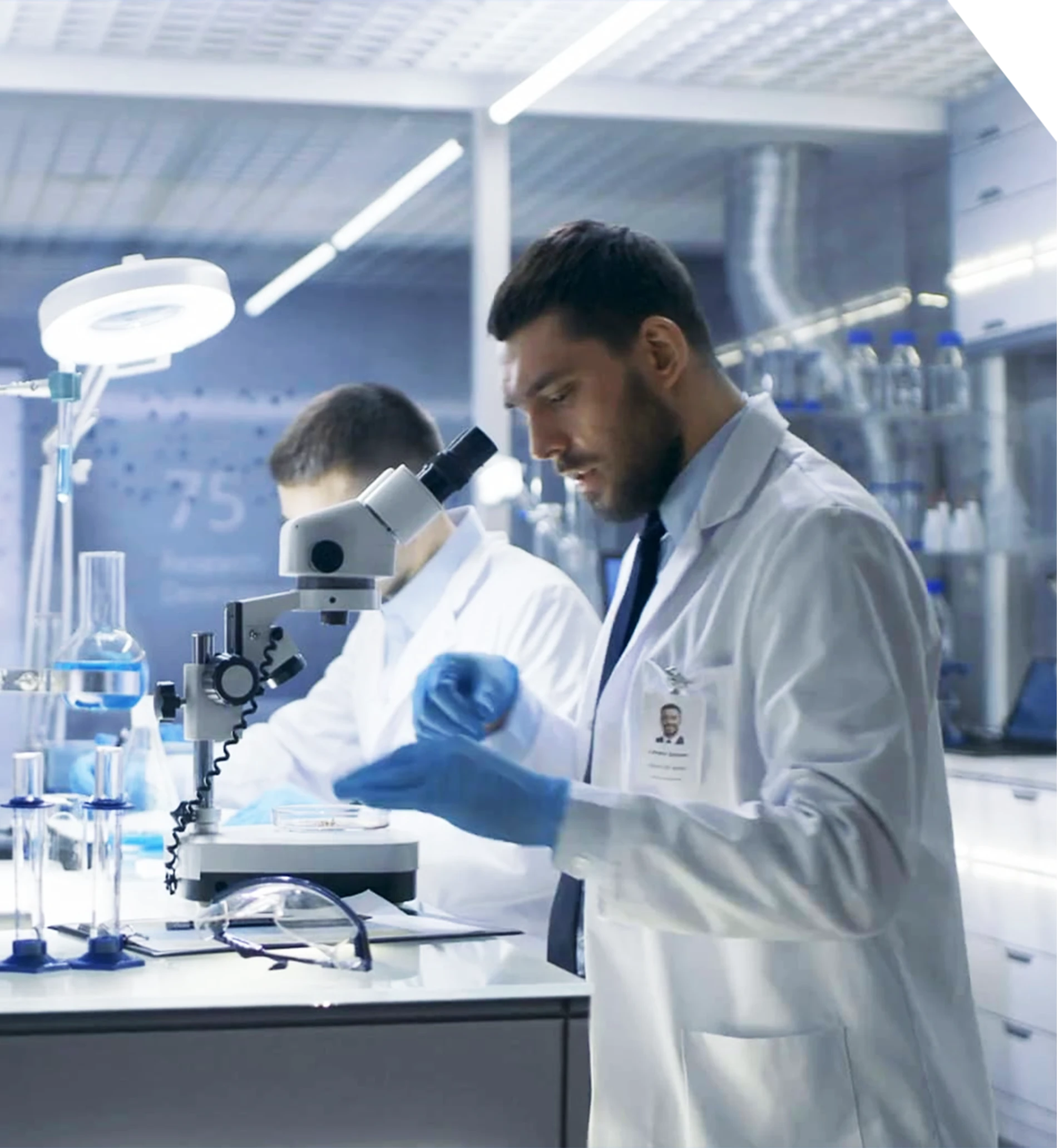
 Strong R & D Capability And Experienced Technical Team
-
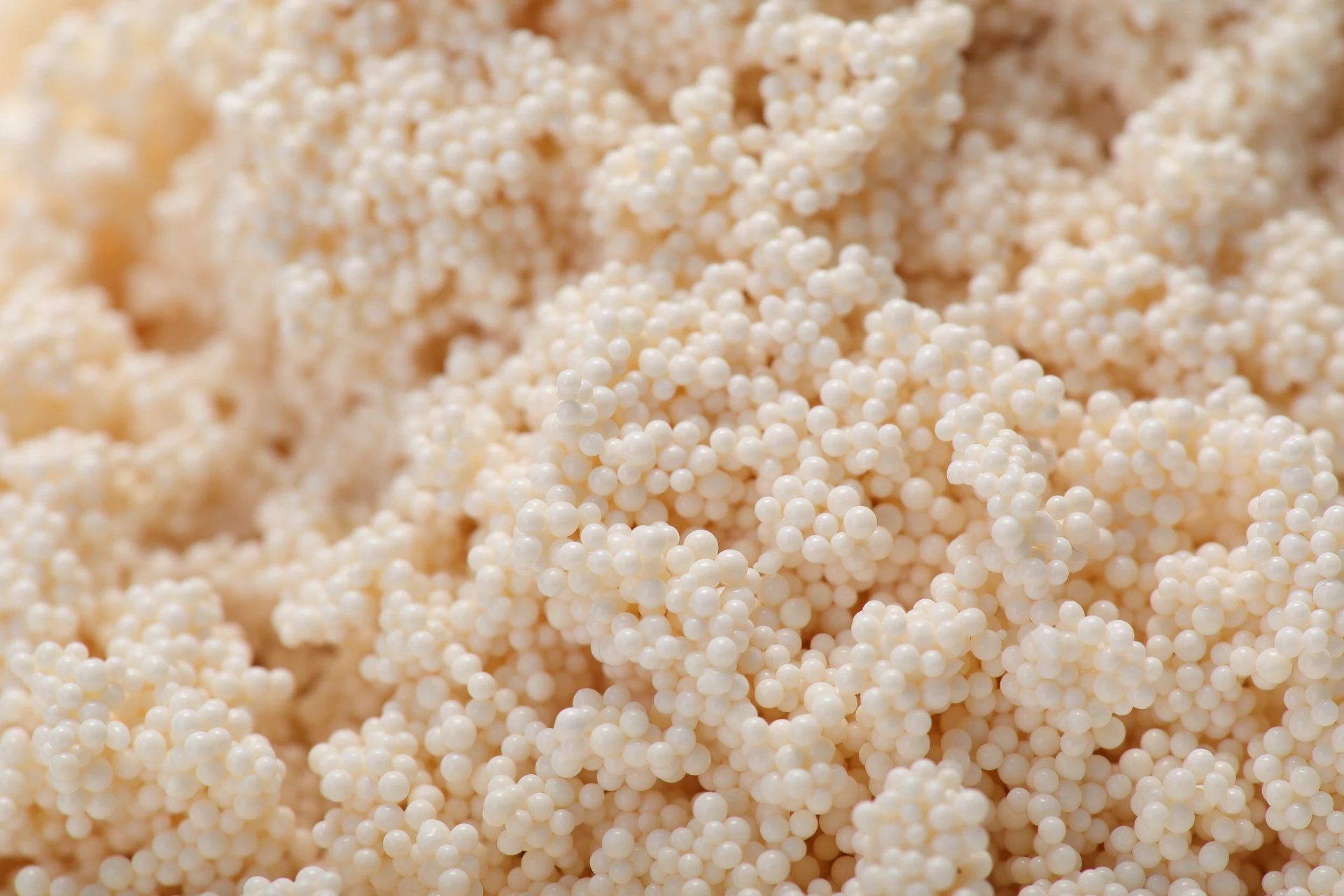
Provide Customers With Competitive And Differentiated Products